Beef’s big picture: ABL cohort supply chain tour
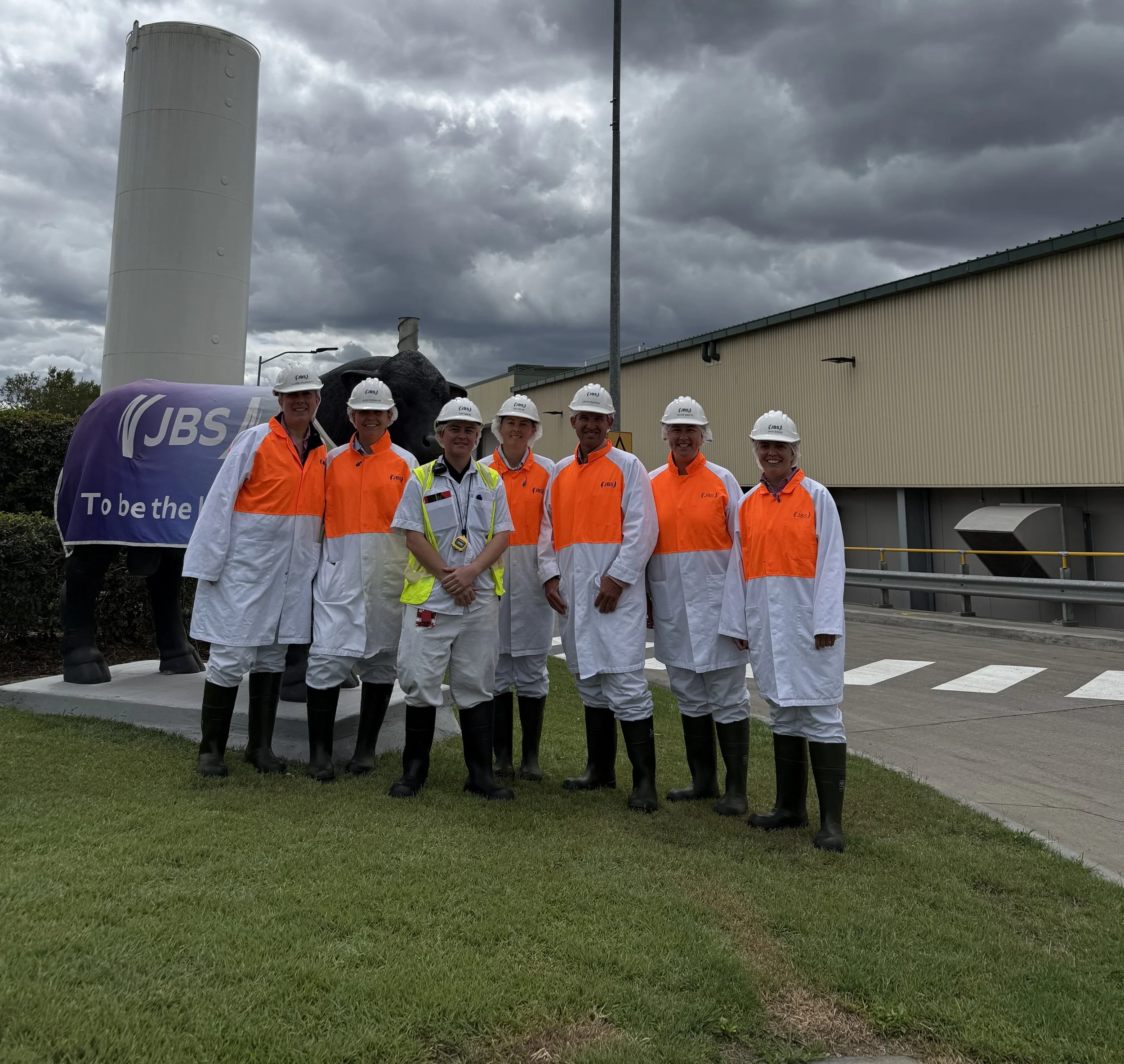
L-R: Claire Delahunty (ABL delivery team) with ABL participants Alice Nicholas, a JBS Dinmore guide, ABL participants D’Arne Wilde, John Salmond, Madie Hamilton (ABL delivery team) and Jane Evans.
Our latest cohort of emerging beef leaders have built a greater understanding of the scale and systems involved in the Australian beef industry, and drilled down into their own place in the supply chain.
The Advancing Beef Leaders Program Supply Chain Tour brought the 2026/2027 cohort together for their second in-person program component. Together, they gained privileged behind-the-scenes access to JBS Australia’s Dinmore Plant, Kerwee Feedlot and Jim’s Jerky processing facility. They also took in a unique PhD project presentation by one of their own at the University of Queensland (UQ) Gatton campus, plus connected with representatives of Rabobank and other industry supporters at a ‘Friends of ABL’ dinner.
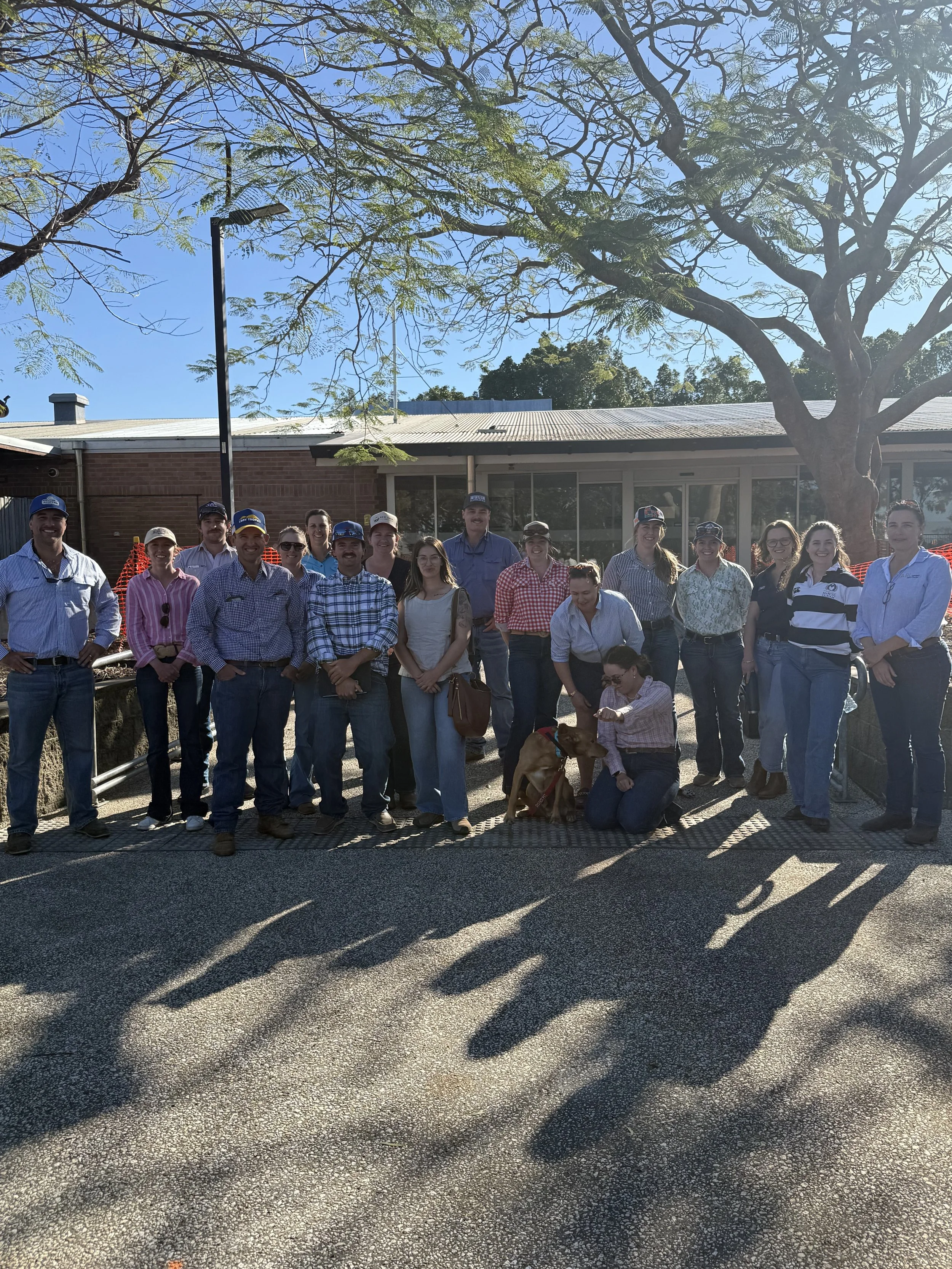
While providing significant access to businesses across the beef supply chain, the tour also enabled the cohort to cement their connections with each other and share experiences from their own enterprises and communities. They also met in small groups to start developing the impact projects they will work on throughout the rest of their program experience.
JBS Australia Dinmore Plant
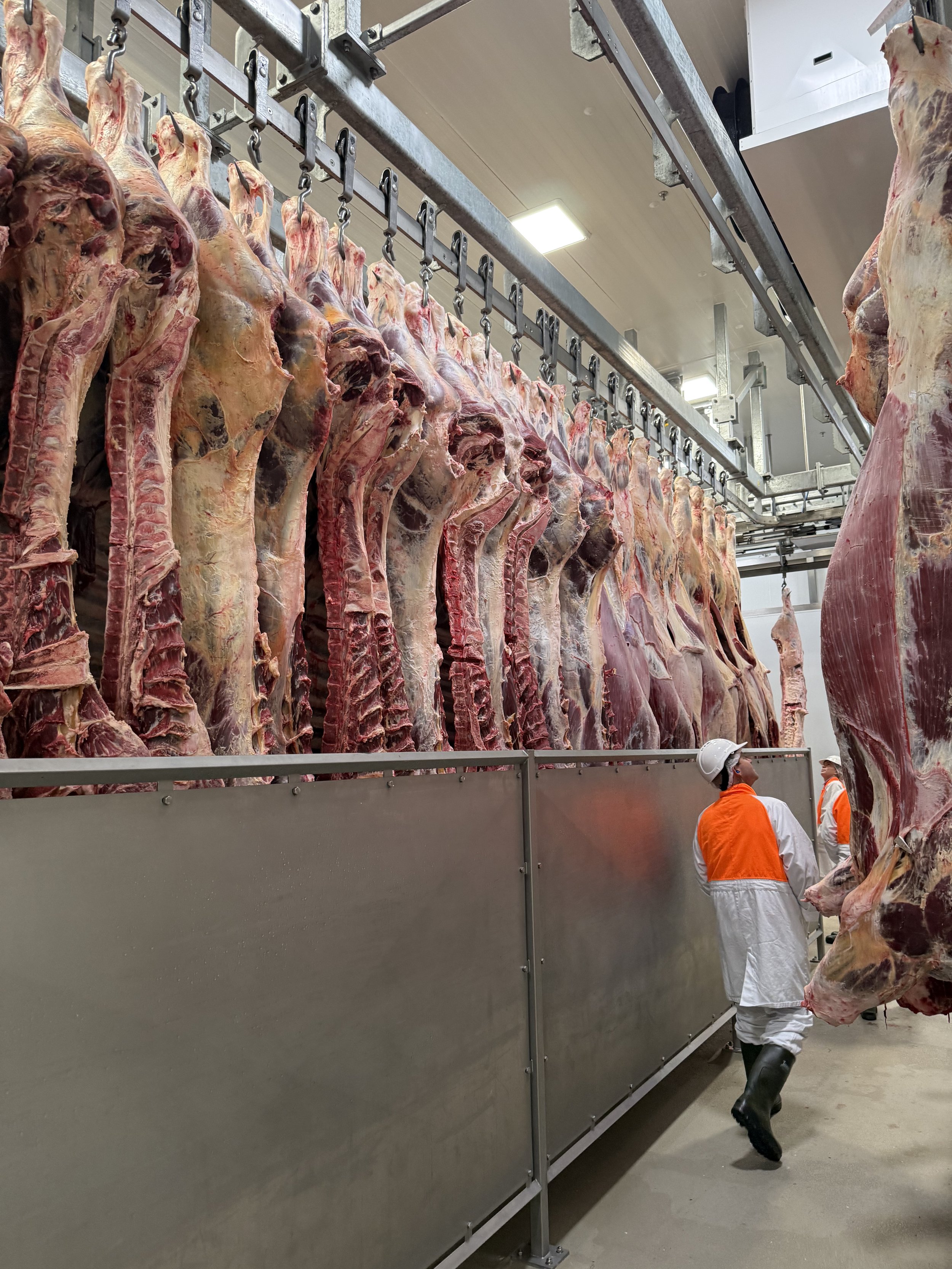
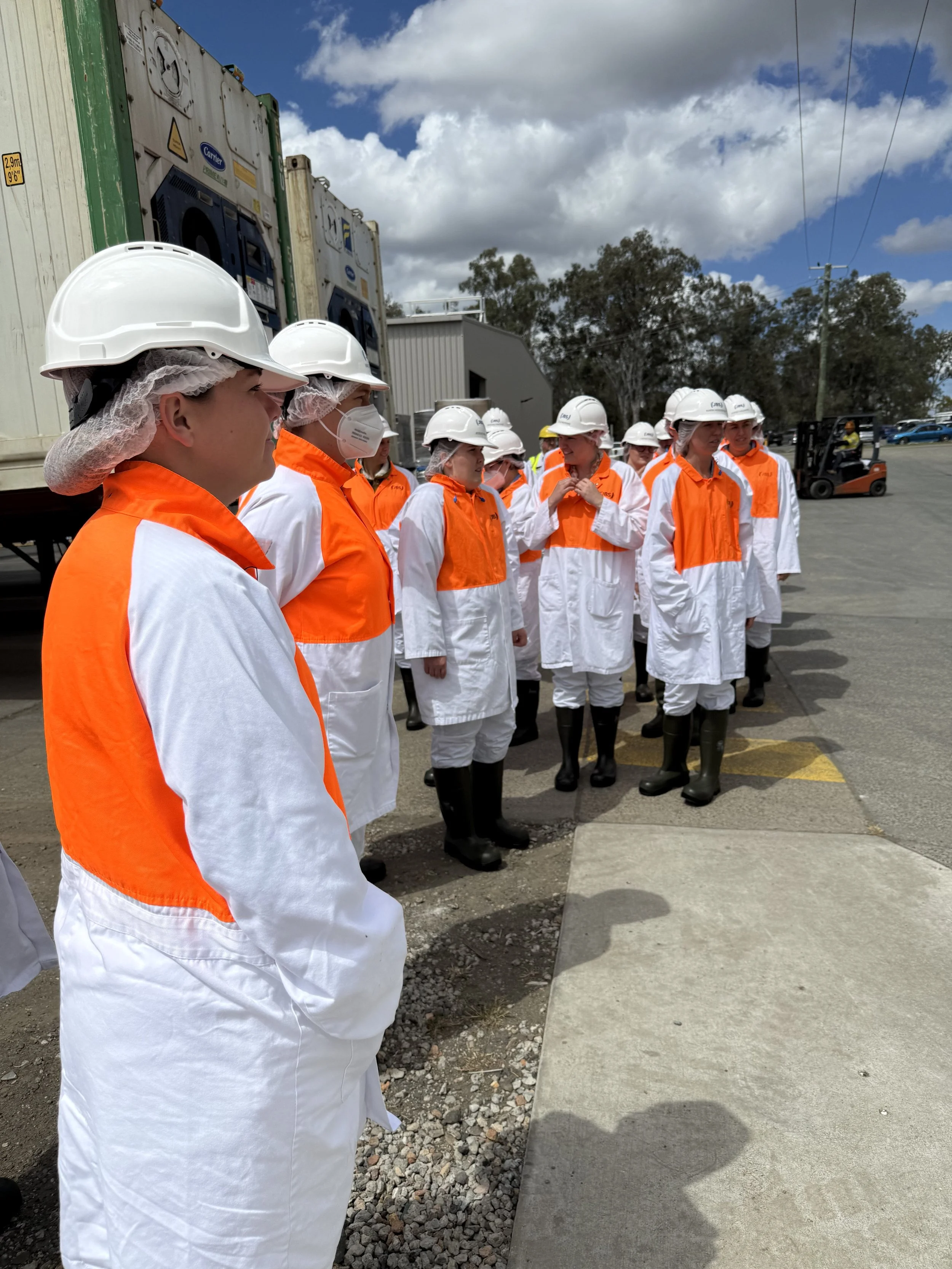
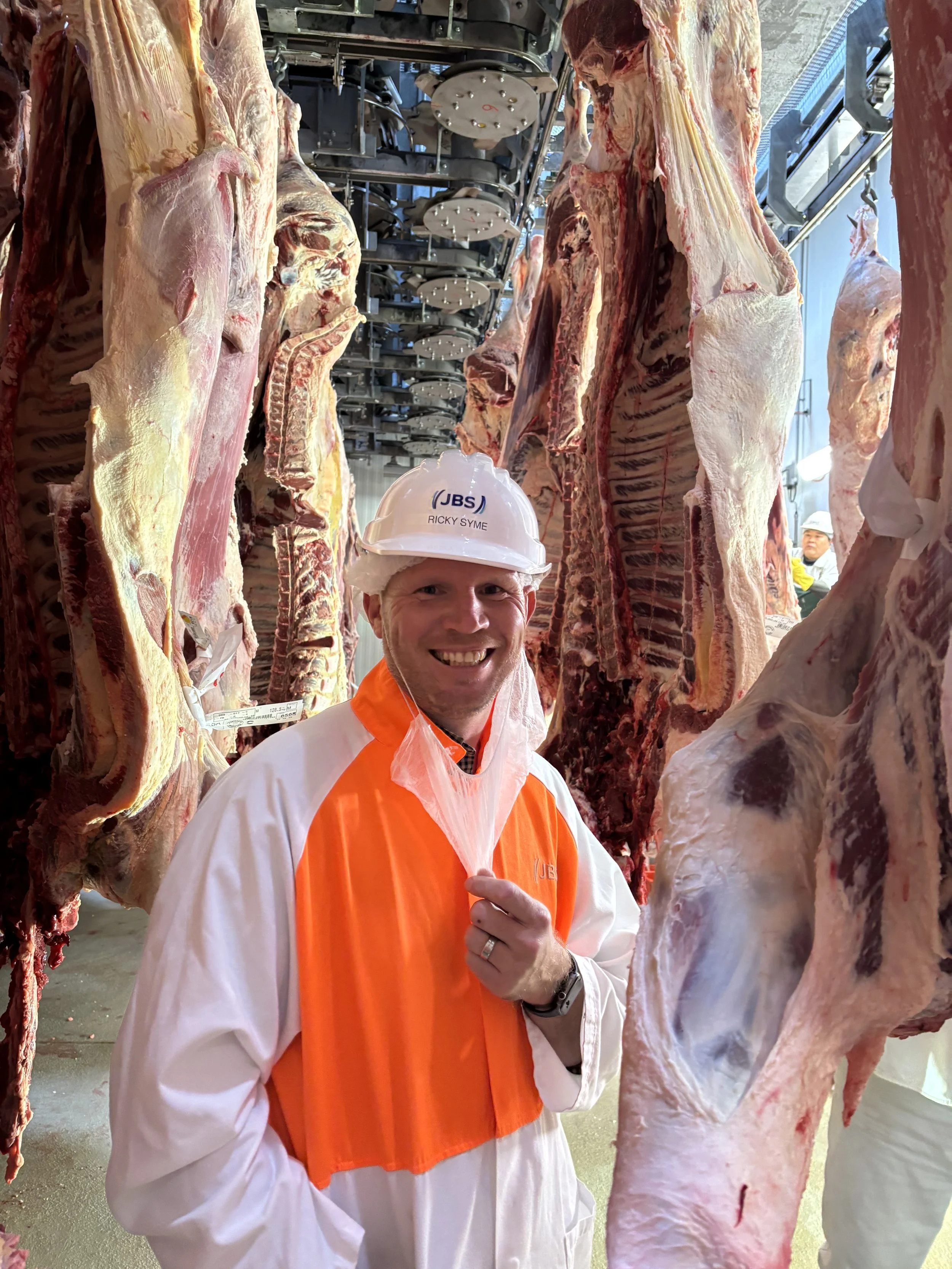
While many ABL Program participants are familiar with abattoirs and processing facilities, not all had been exposed to the scale and volume at which JBS Australia’s Dinmore plant operates.
As the southern hemisphere’s largest beef processing facility, the plant processes approximately 3,300 carcases every 24 hours, wasting no part of the animal and meeting diverse market demands. With 2,500 culturally and linguistically diverse staff fulfilling an array of positions, it was impressive to see the systems and processes behind an operation that sends 90% of its product to key export markets such as Japan, Korea and the US.
“Every operation does things differently. The guidelines and rules are the same, but it was great to learn about the different buyers at Dinmore,” program participant and manager at Alcoota Station in the Northern Territory, Ellen Easy, said.
“I’m hungry to know, what us producers can do. What is our part in that chain? How can we influence or change our opportunities … that is information I can apply to tweak my operations. Respecting and understanding all parts of the chain, that’s what you really gain out of the tour,” Ellen said.
“The other advantage to this trip is that in Central Australia, we don’t do live export. There’s often a focus on northern Australia that overlooks this. We do boxed beef for China and the USA. We have similarities with SA and NSW. It’s been great to connect with those who are comparable in our industry. We are hitting quality Grasslands MSA beef. Some of us play with Angus cattle and are really getting into that southern market. That’s why this is great, it’s applicable across the board.”
Group projects and Friends of ABL dinner
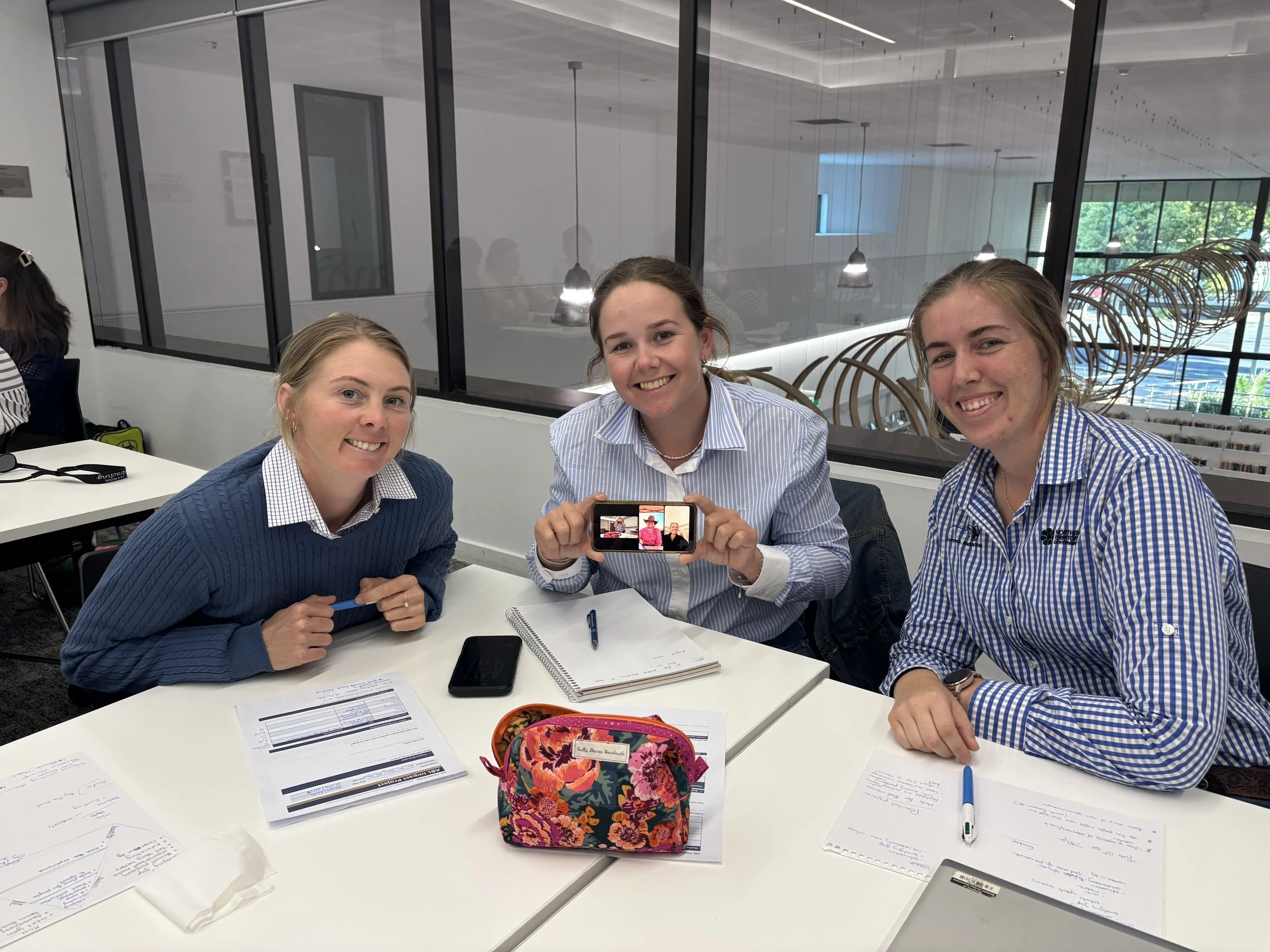
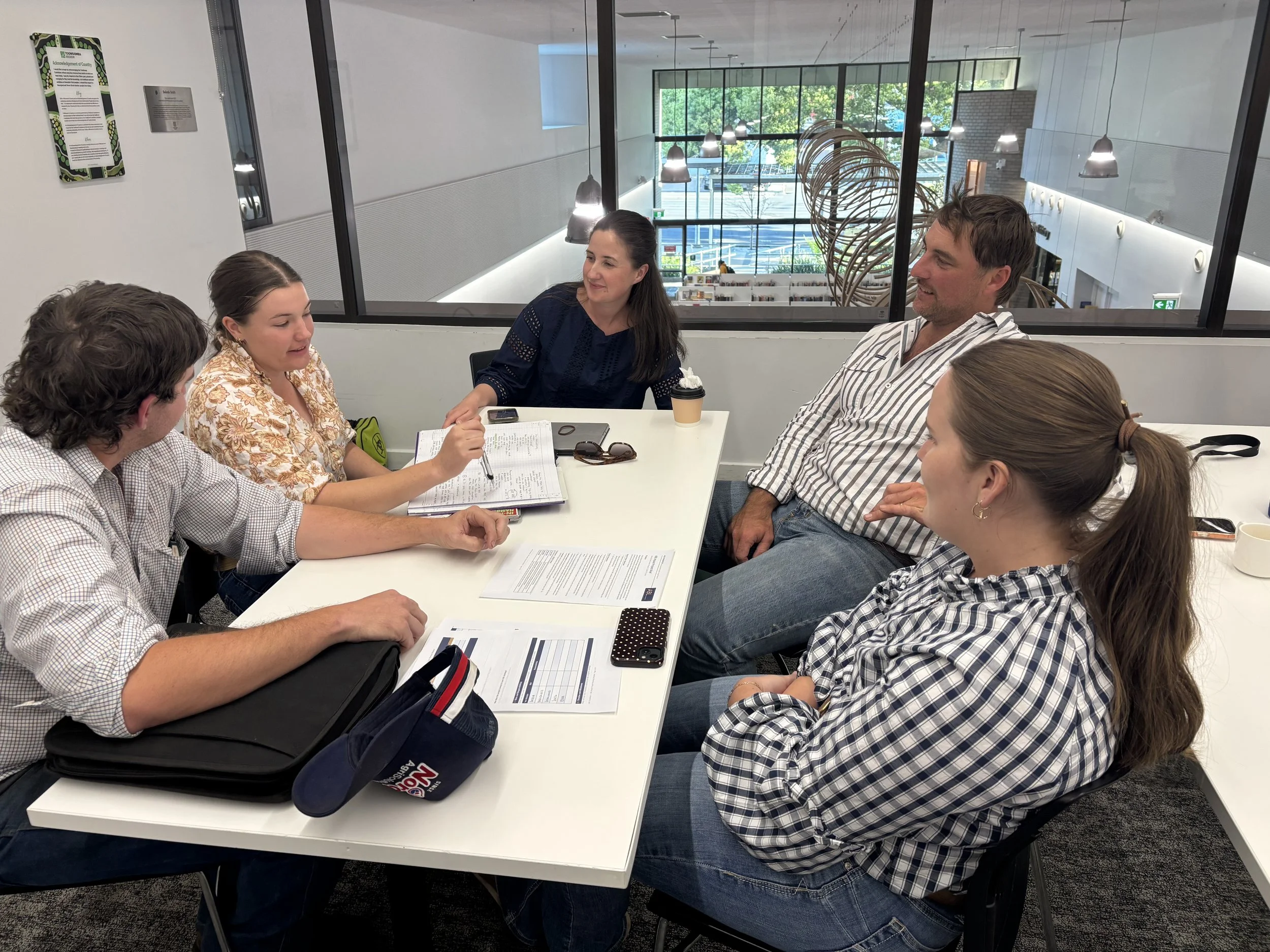
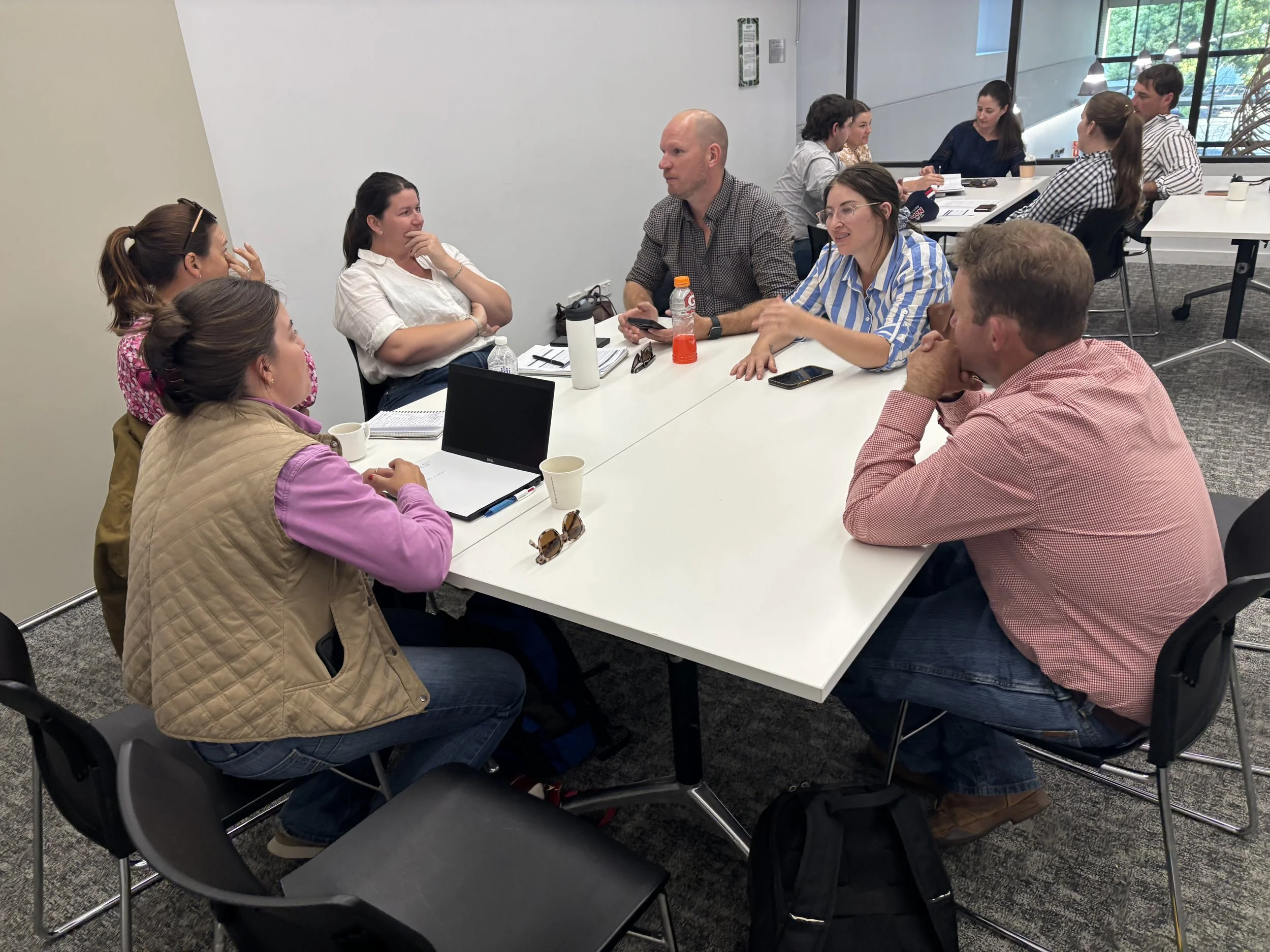
The 2026/2027 ABL Program cohort are planning group impact projects that will make a lasting and positive contribution to the beef industry and Australian agriculture.
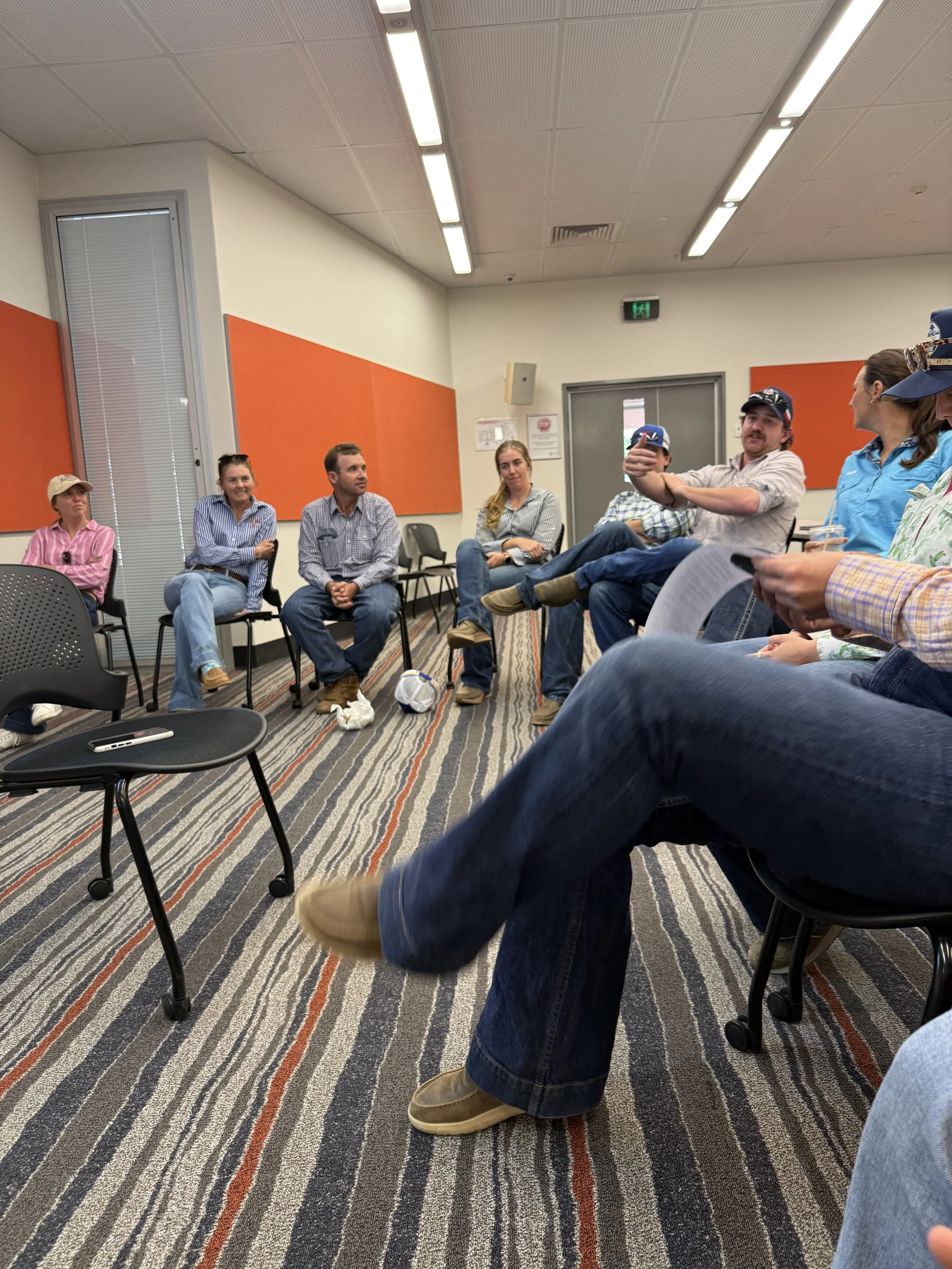
After Dinmore, participants spent the afternoon in the Toowoomba Library, working in smaller groups to decide on the impact projects they will develop over the remainder of the program. (Watch this space! You can find a sample of past projects here.)
The ABL crew then enjoyed a ‘Friends of ABL’ dinner, joined by Andrew Walker, Rabobank’s Deputy Regional Manager, Southern Queensland, along with Melanie Graham, Senior Rural Manager at Rabobank and a mentor in this year’s ABL mentoring program component.
Along with representatives of our key sponsor, Rabobank, past alumni and industry supporters also attended, creating an opportunity to deepen both new and established connections.
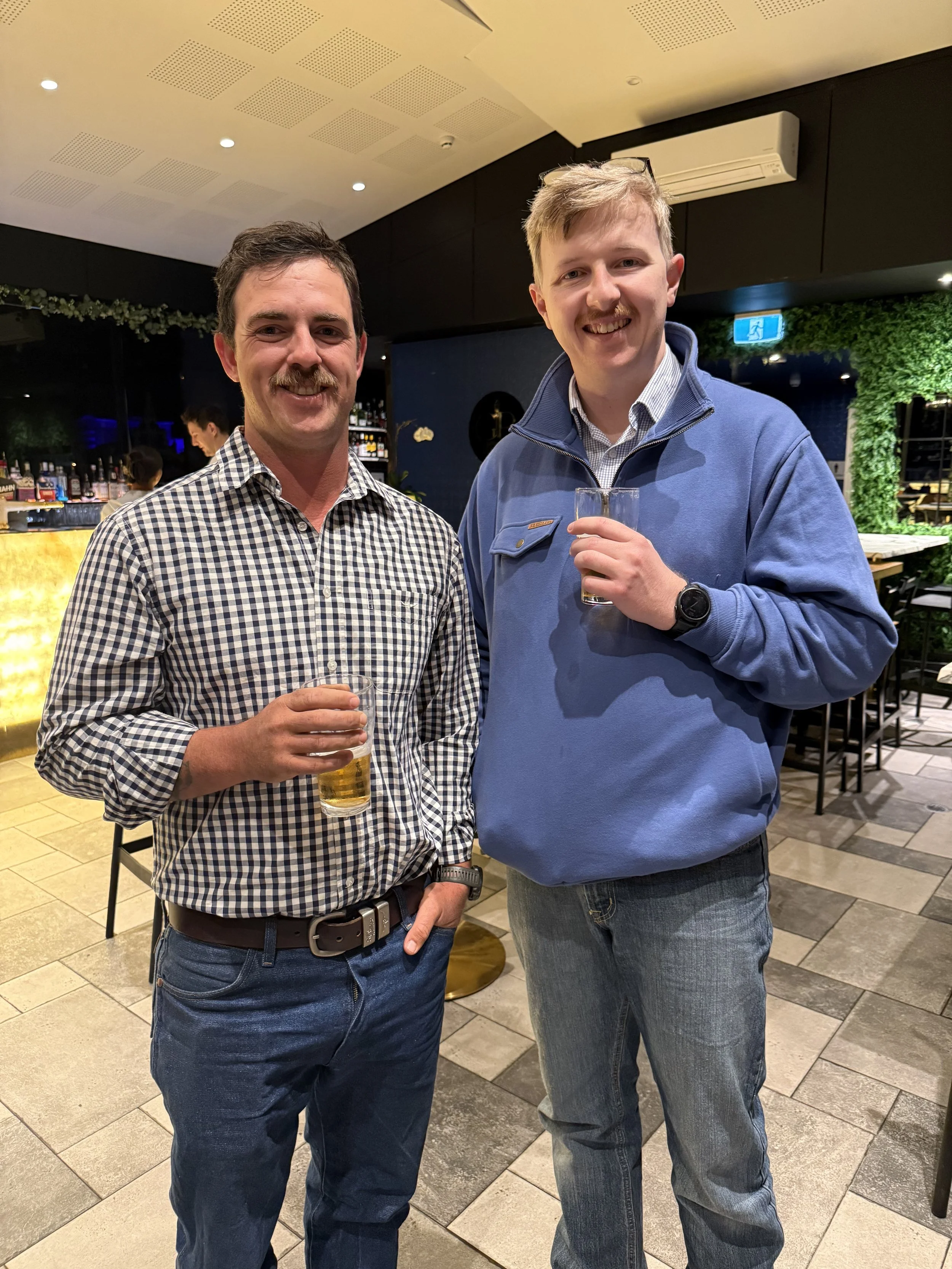
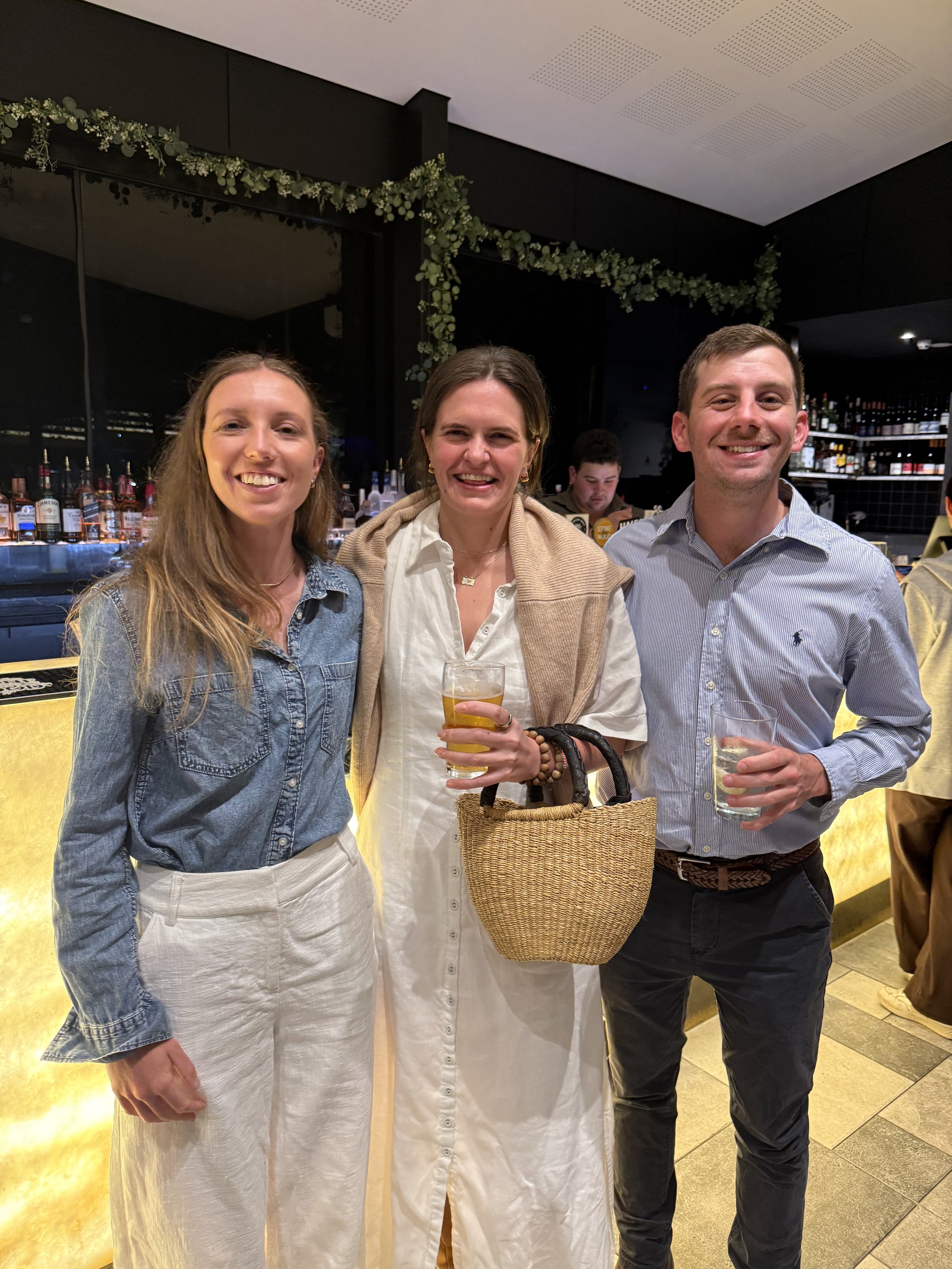
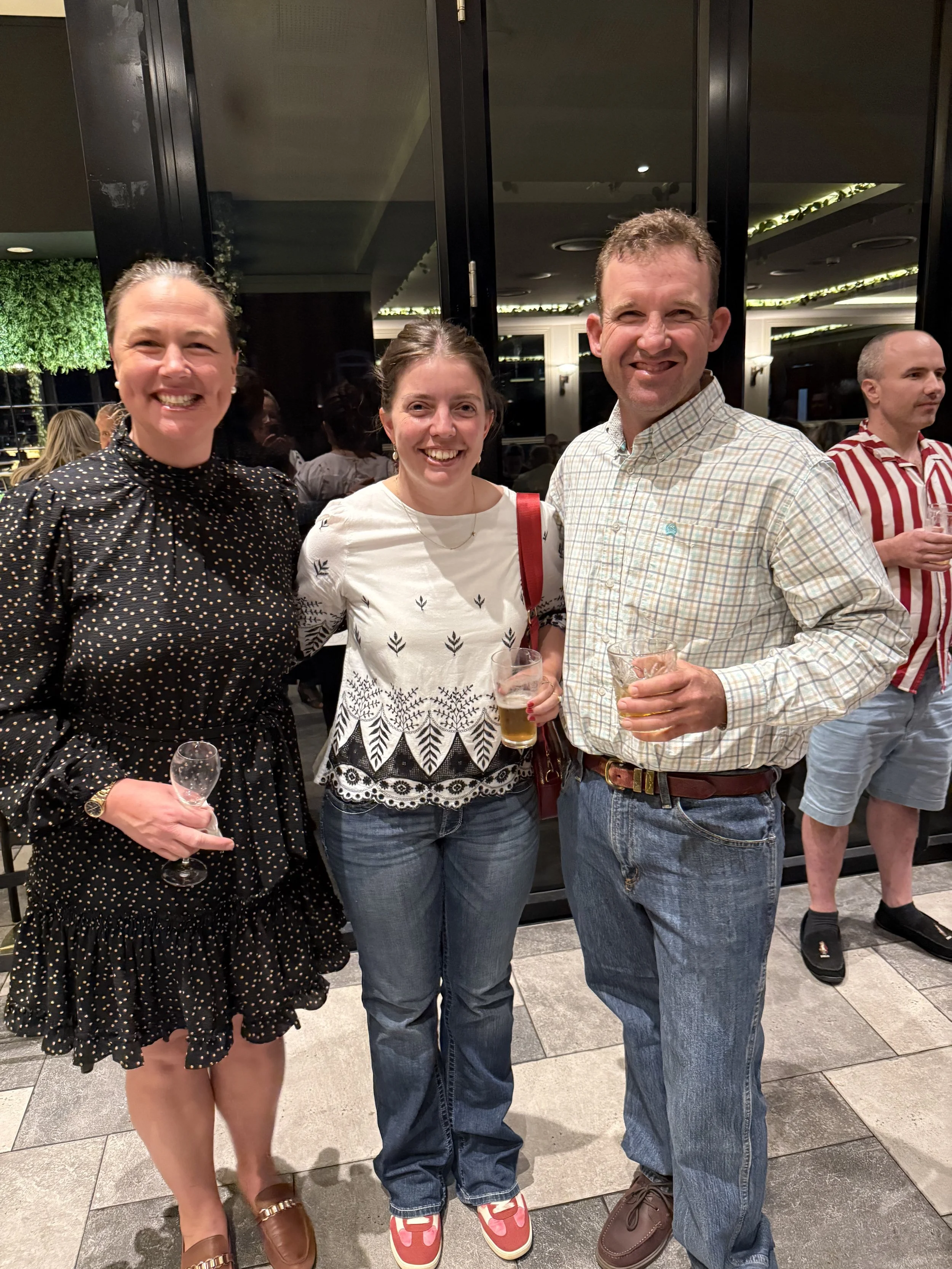
L-R: Joe Hennesy and Tom Copley | Kiara Henderson, Kate Watts and Harry Stewart | Madie Hamilton, Jane Evans and John Salmond.
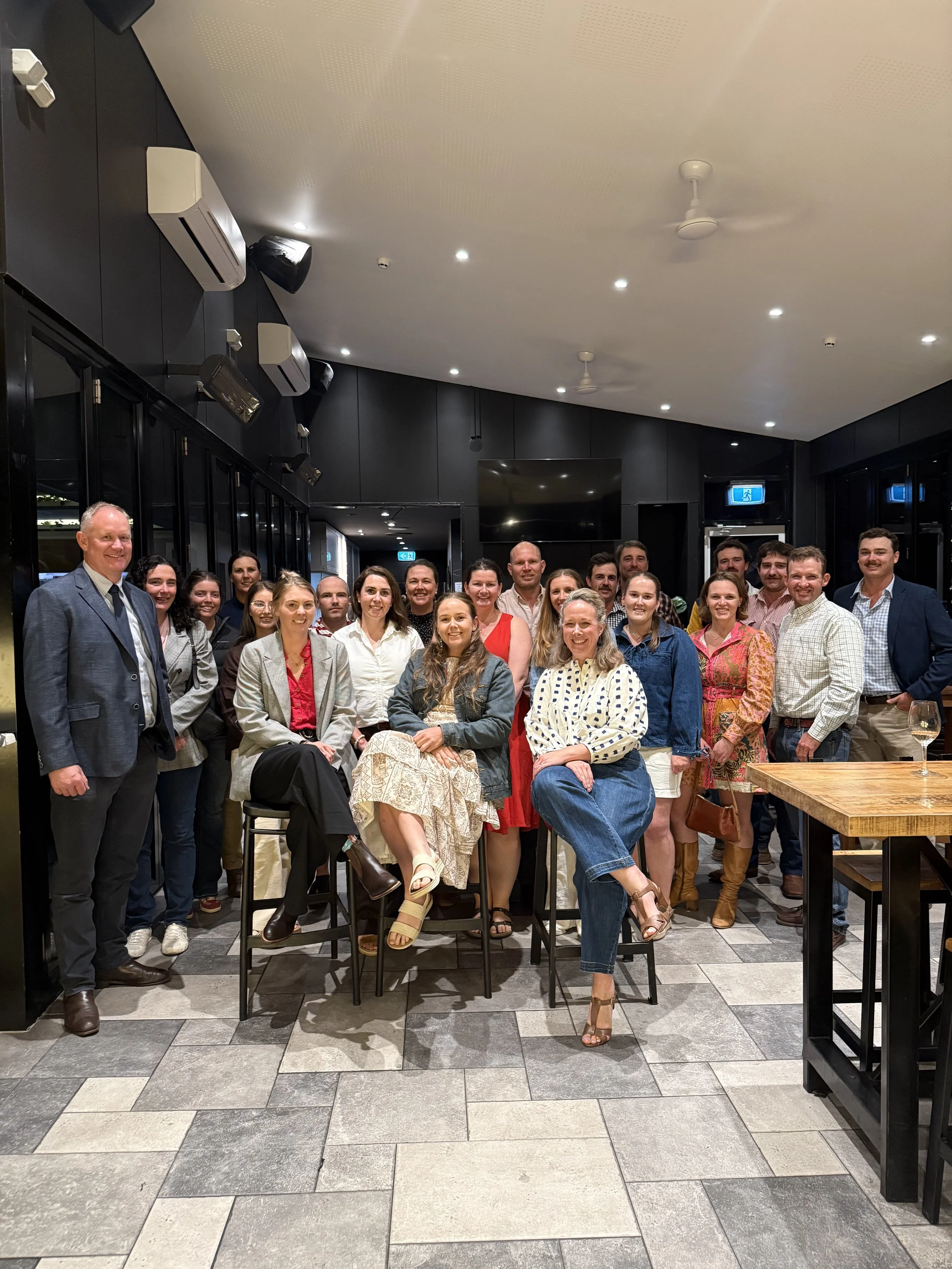
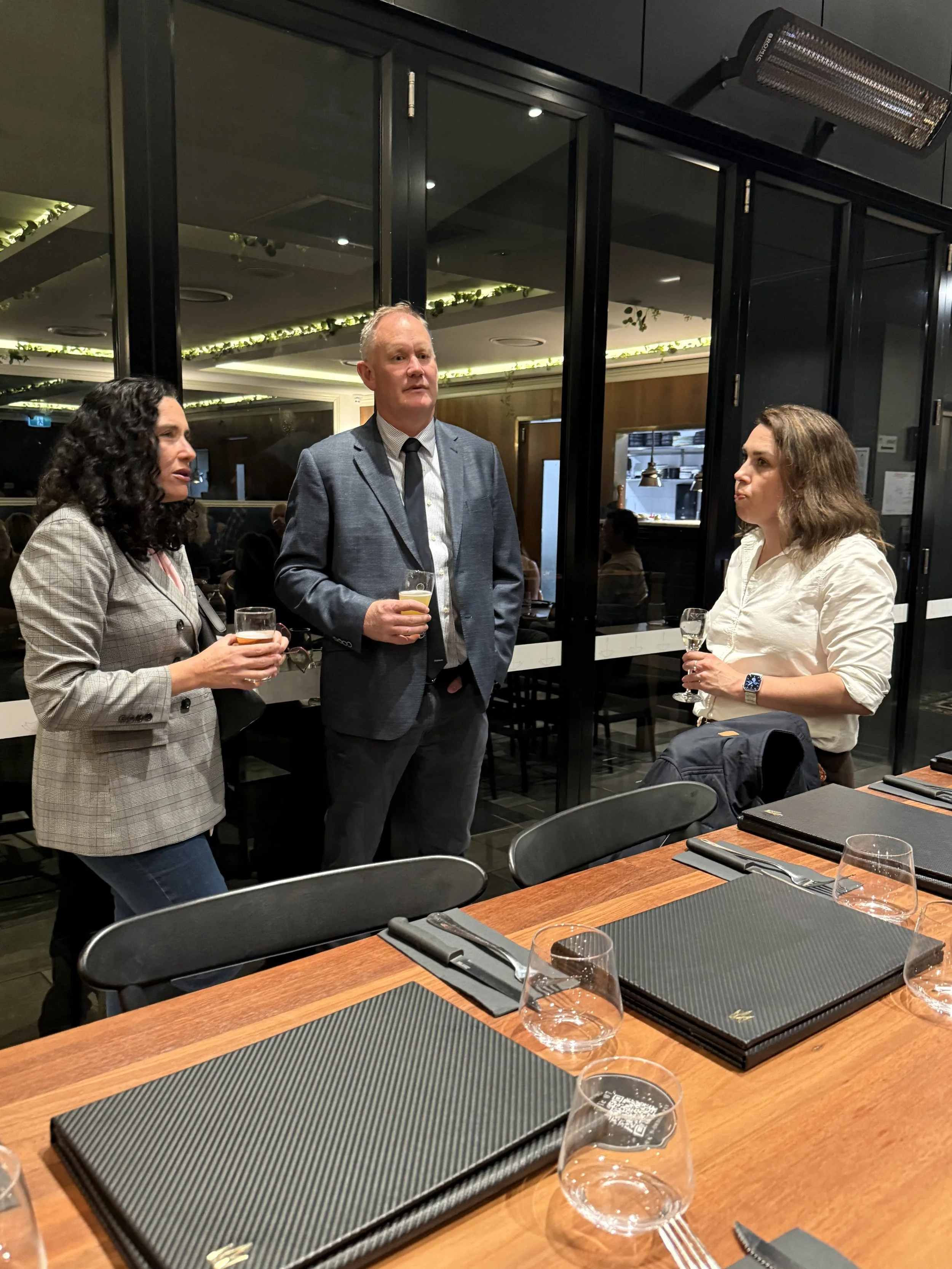
Andrew Walker, Rabobank’s Deputy Regional Manager, Southern Queensland, (L) with the ABL Program cohort and team. And (R) with ABL Foundation EO, Alison Larard and Melanie Graham, Senior Rural Manager at Rabobank.
Kerwee Feedlot
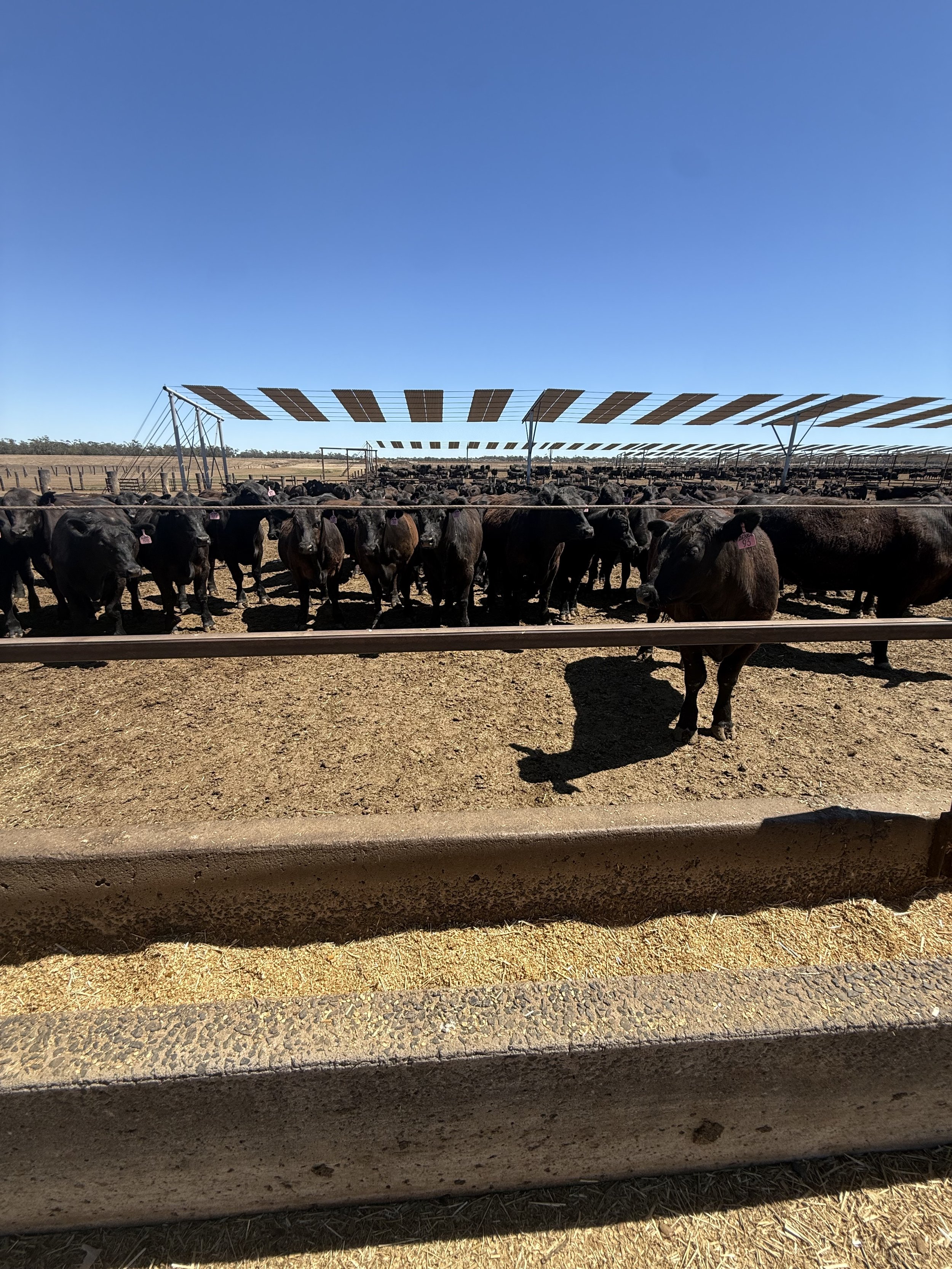
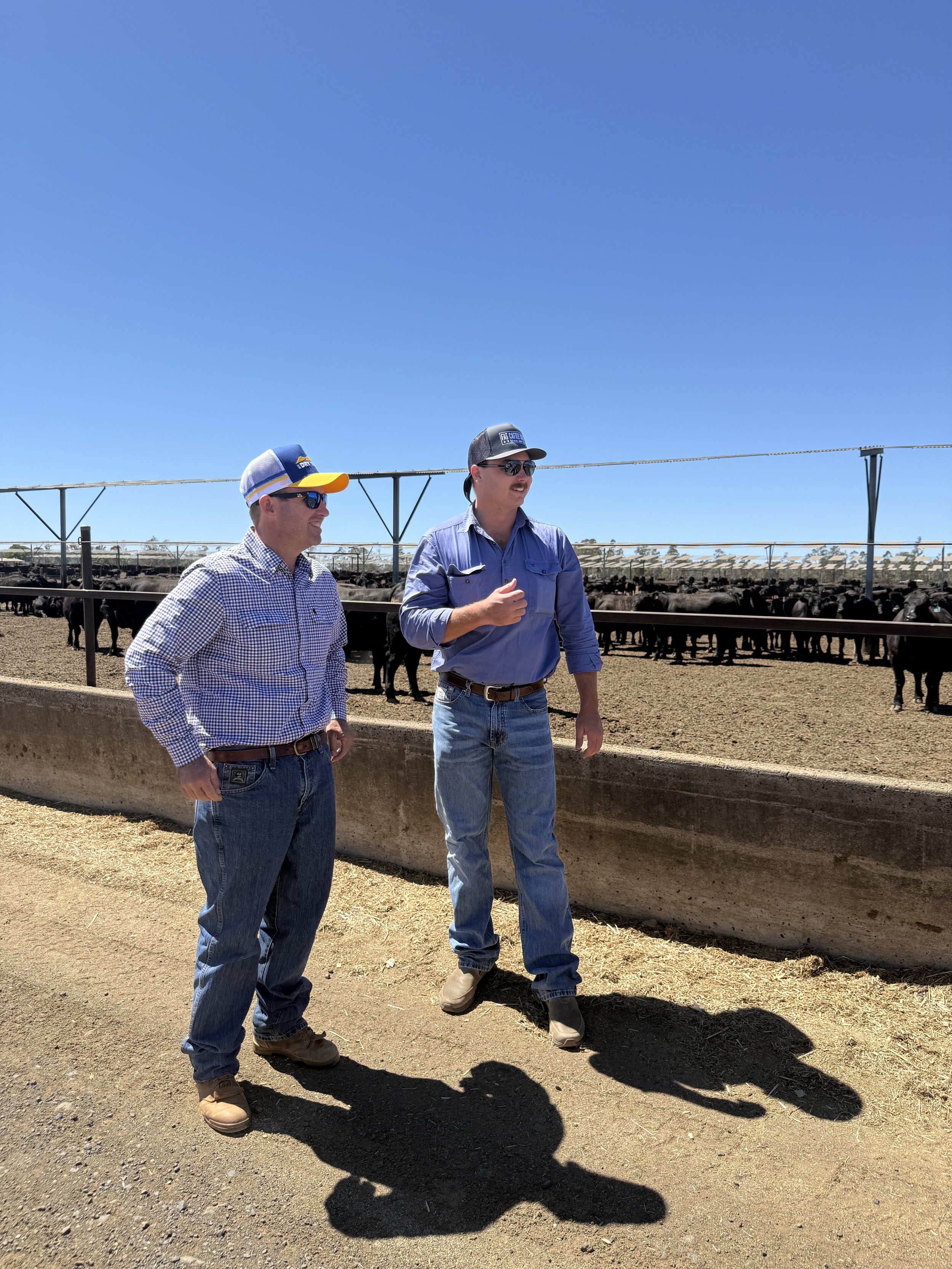
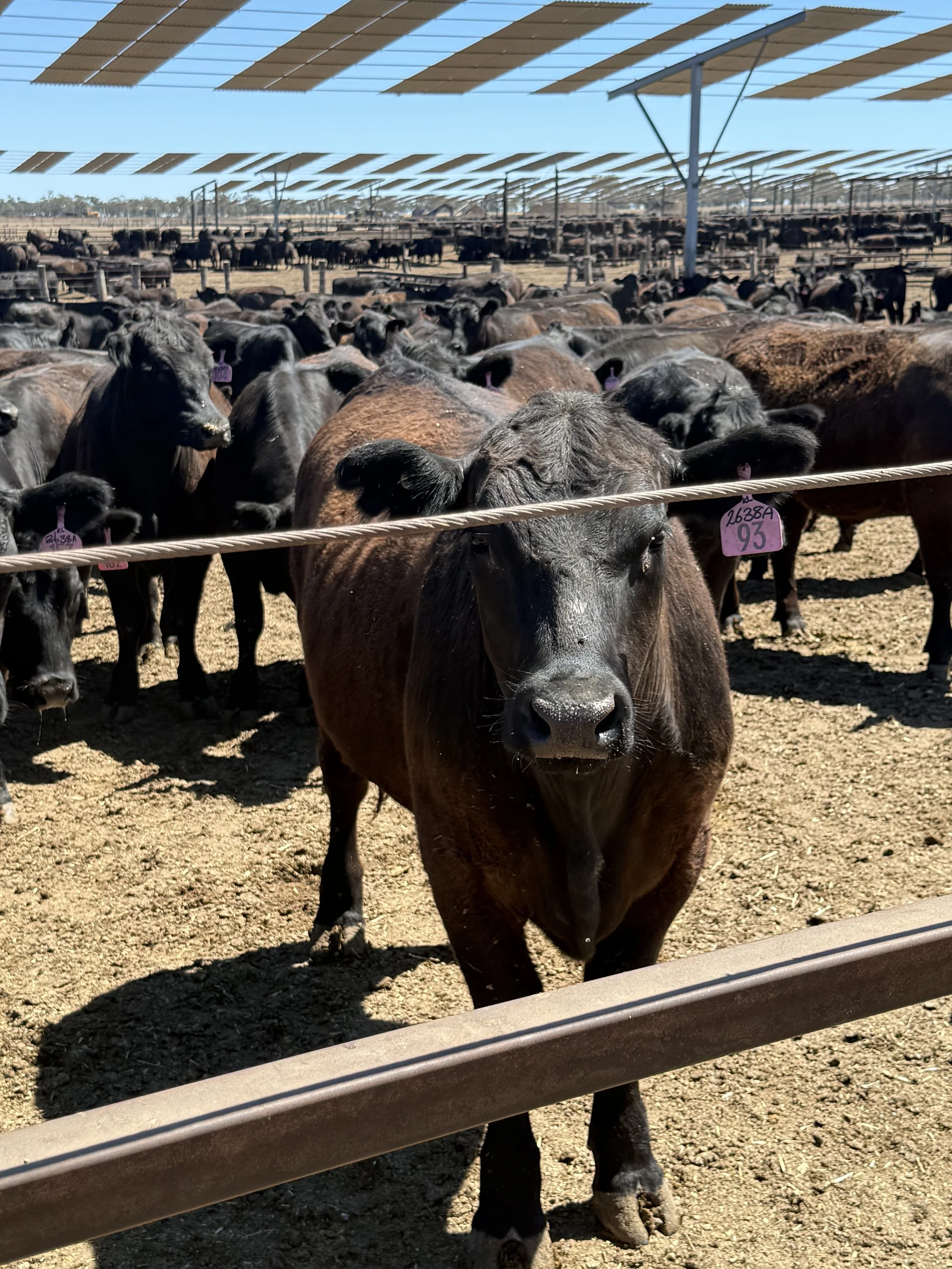
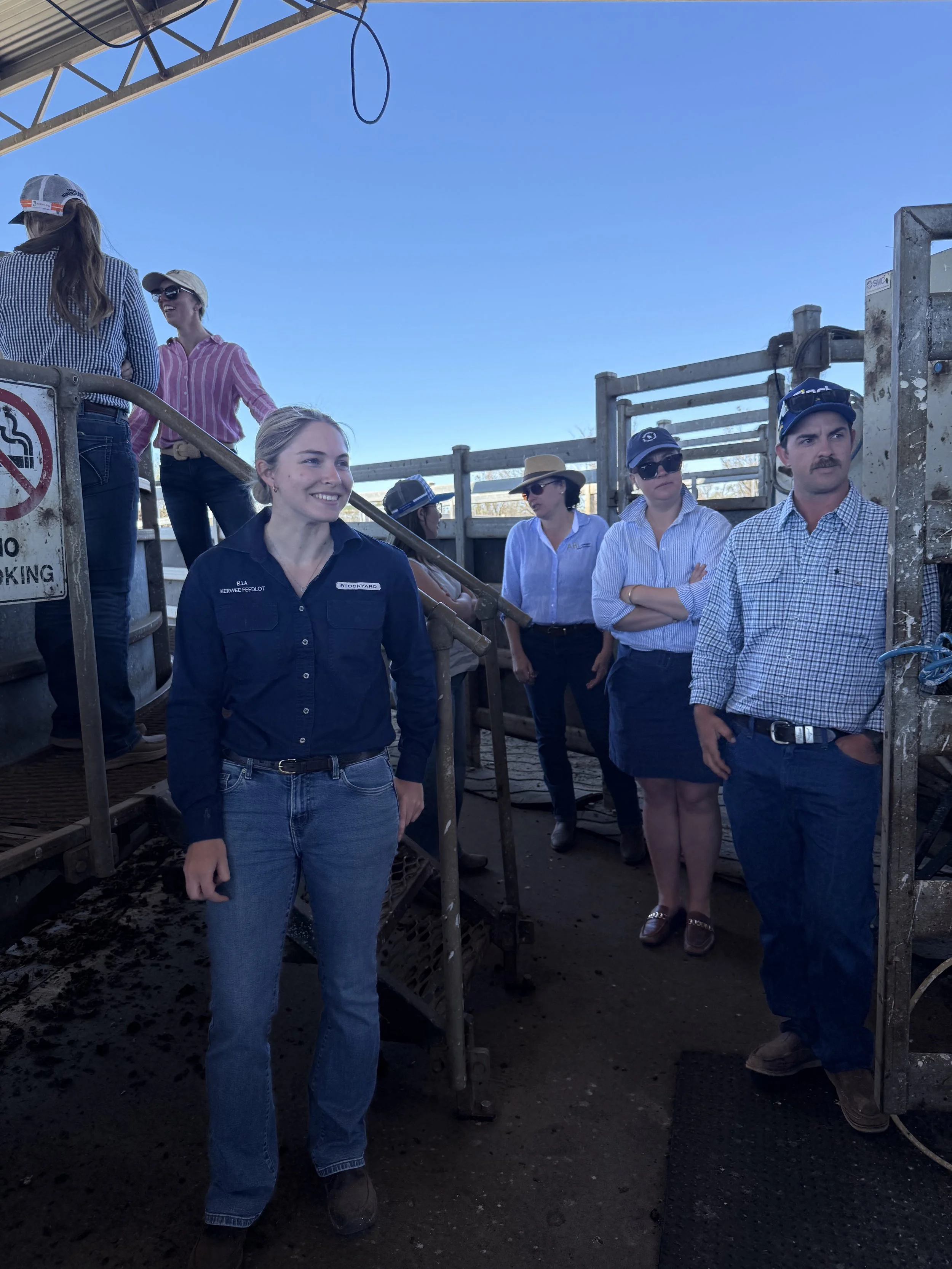
Day two started with a visit to Kerwee Feedlot, an integrated family business in the Toowoomba region.
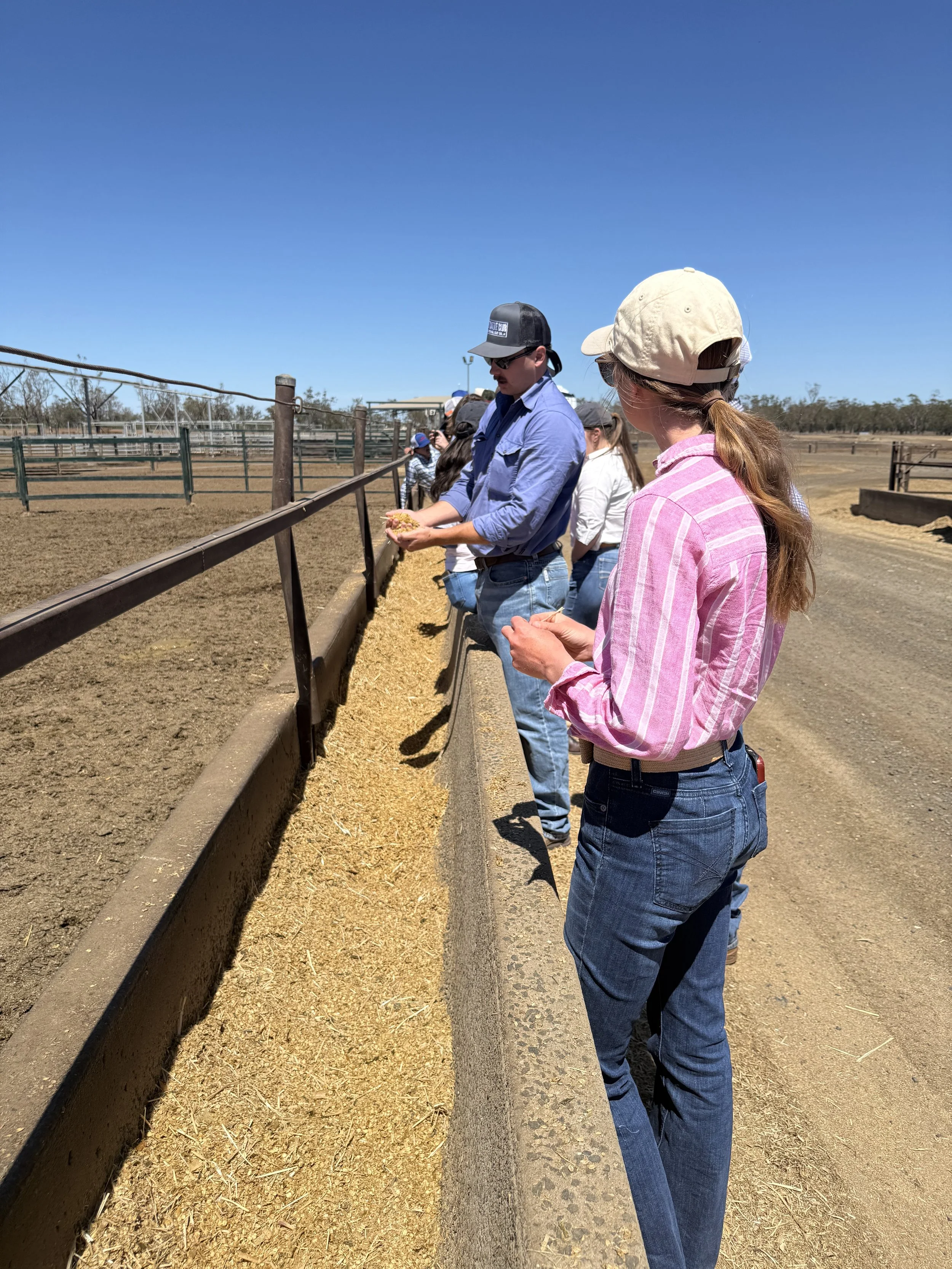
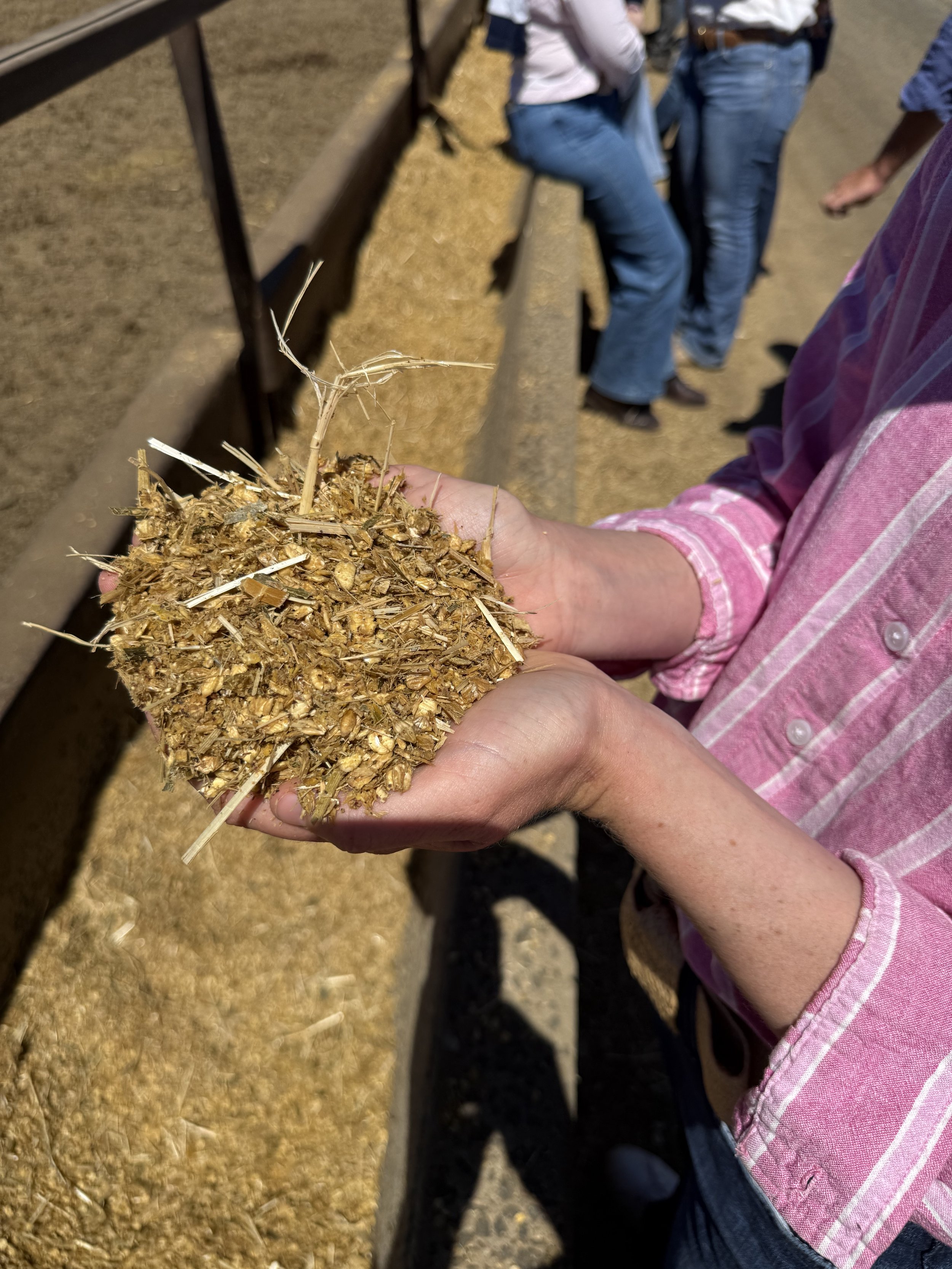
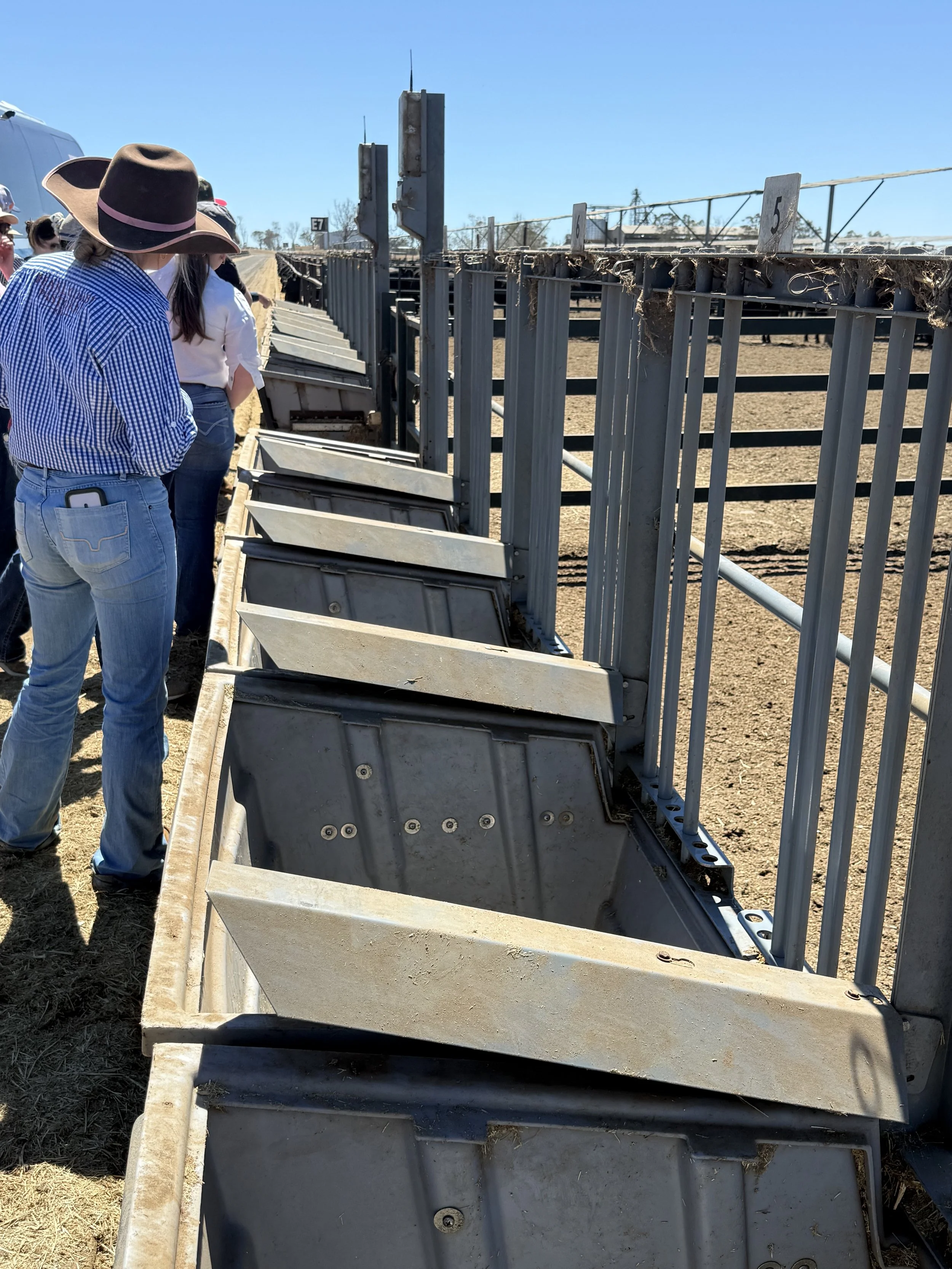
The 20,000-head feedlot is operated by Stockyard Beef and spans 1,280 hectares, raising Angus and Wagyu cattle. Members of the Kerwee livestock and genetics teams gave the ABL cohort a thorough tour of the logistics and management of the feedlot, providing a deep insight into what it takes to keep cattle healthy and thriving while meeting market requirements.
As well as the feed, transport and veterinary logistics that are carefully managed and integrated, participants quizzed the Kerwee Feedlot team about genetics, marbling scores, market specifications, suppliers and buyers.
No stranger to a feedlot, ABL Program participant D’Arne Wilde got significant value from seeing an operation as large as Kerwee Feedlot.
“It’s valuable seeing the different ways people do things. I’d never seen a 20,000 head feedlot before. It’s a whole different scale,” D’Arne, who is the Head Stockwoman at Napier Downs in the Kimberley, said.
“I really liked seeing how Kerwee focused on the comfort of the animal and learning how they go about that, as well as the level that they’re aiming for with meat quality.”
Jim’s Jerky
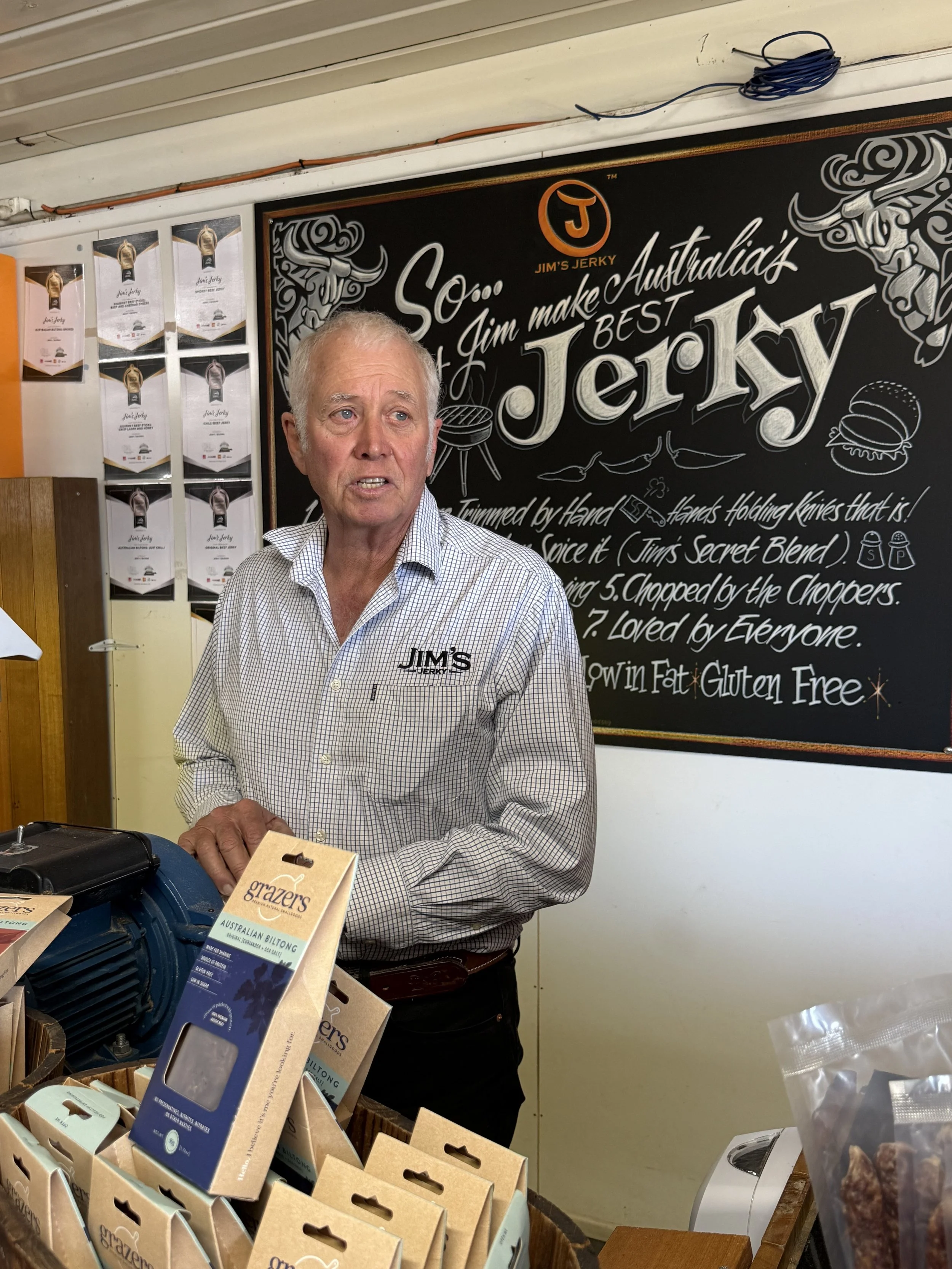
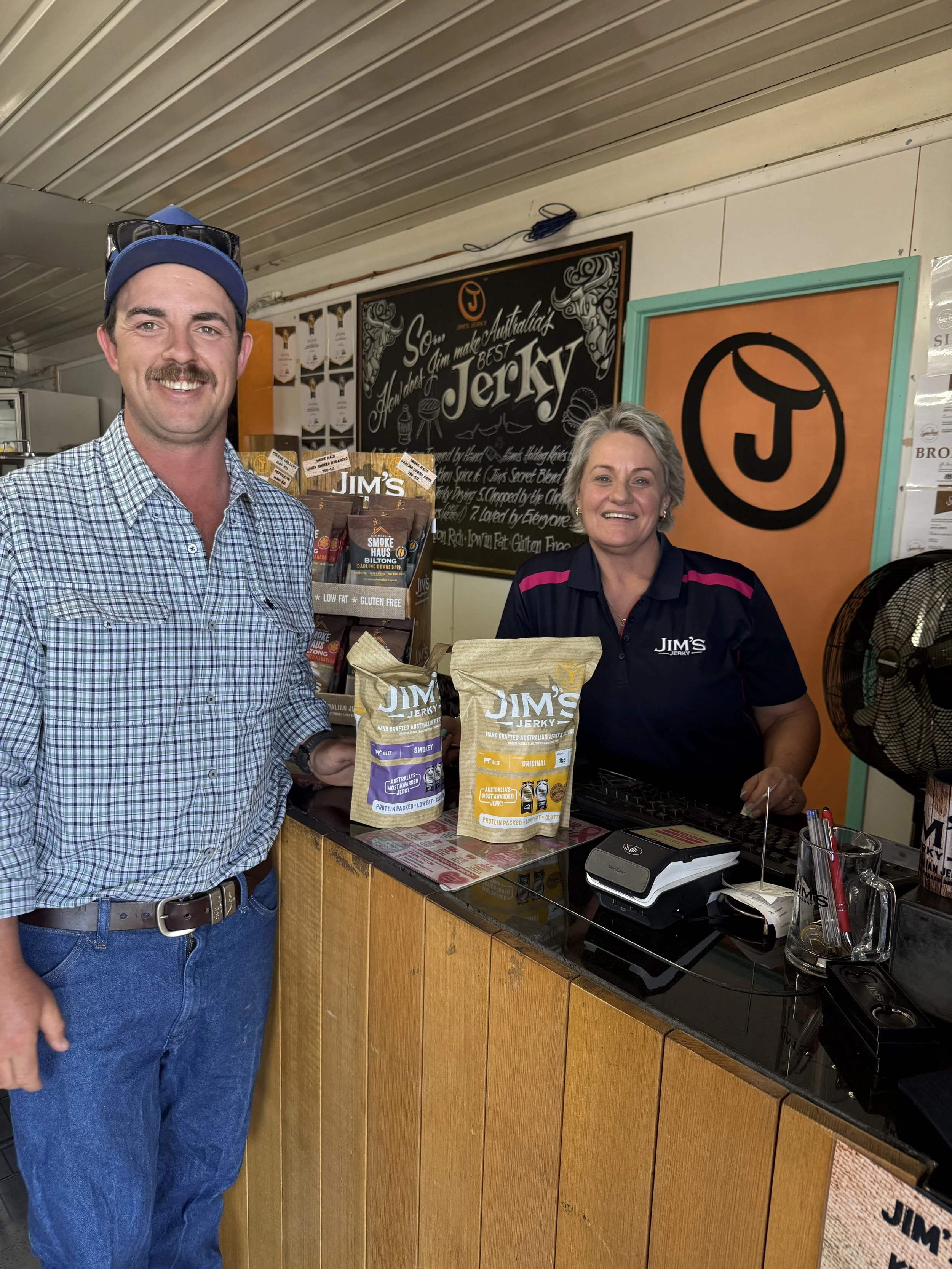
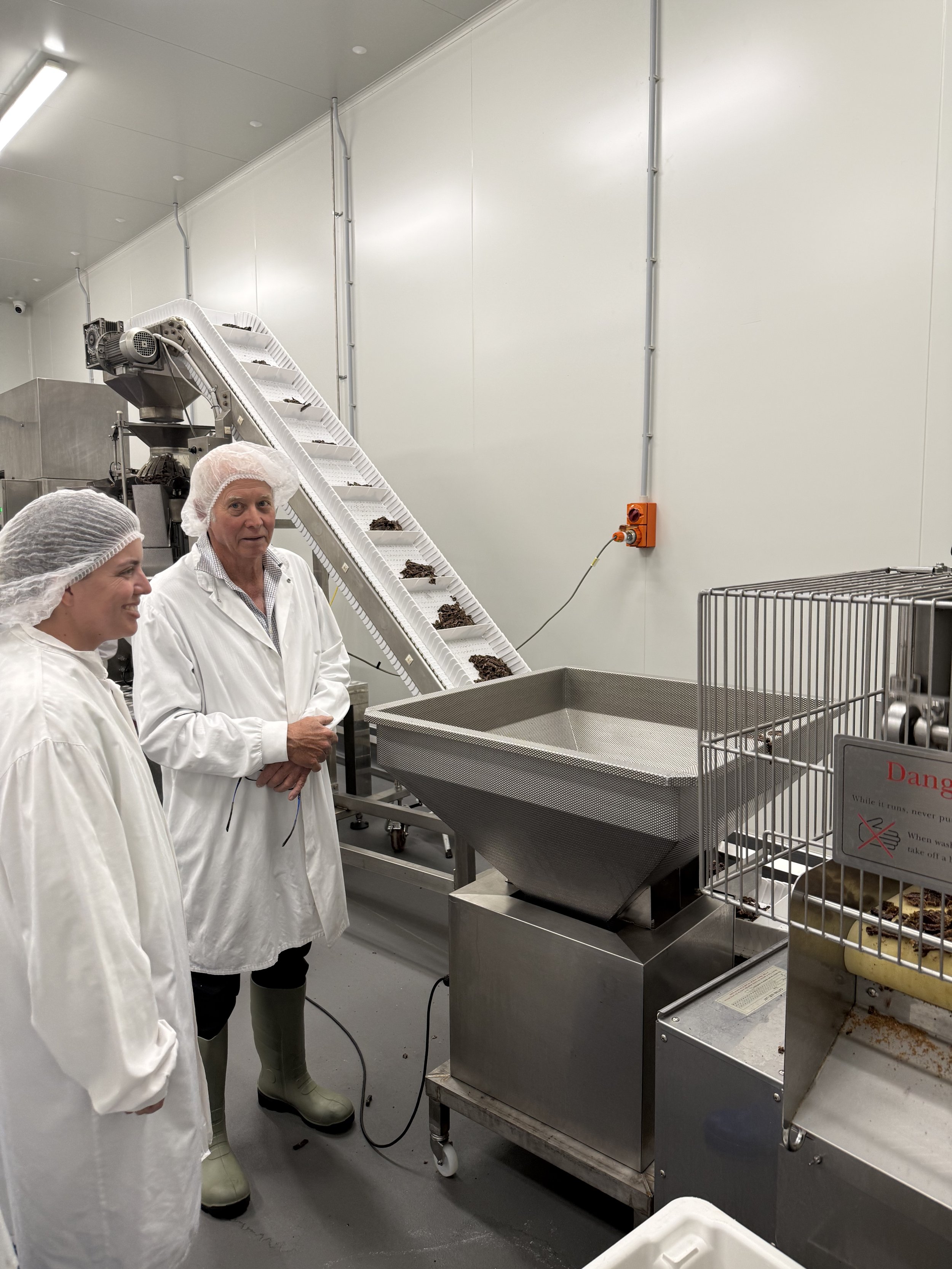
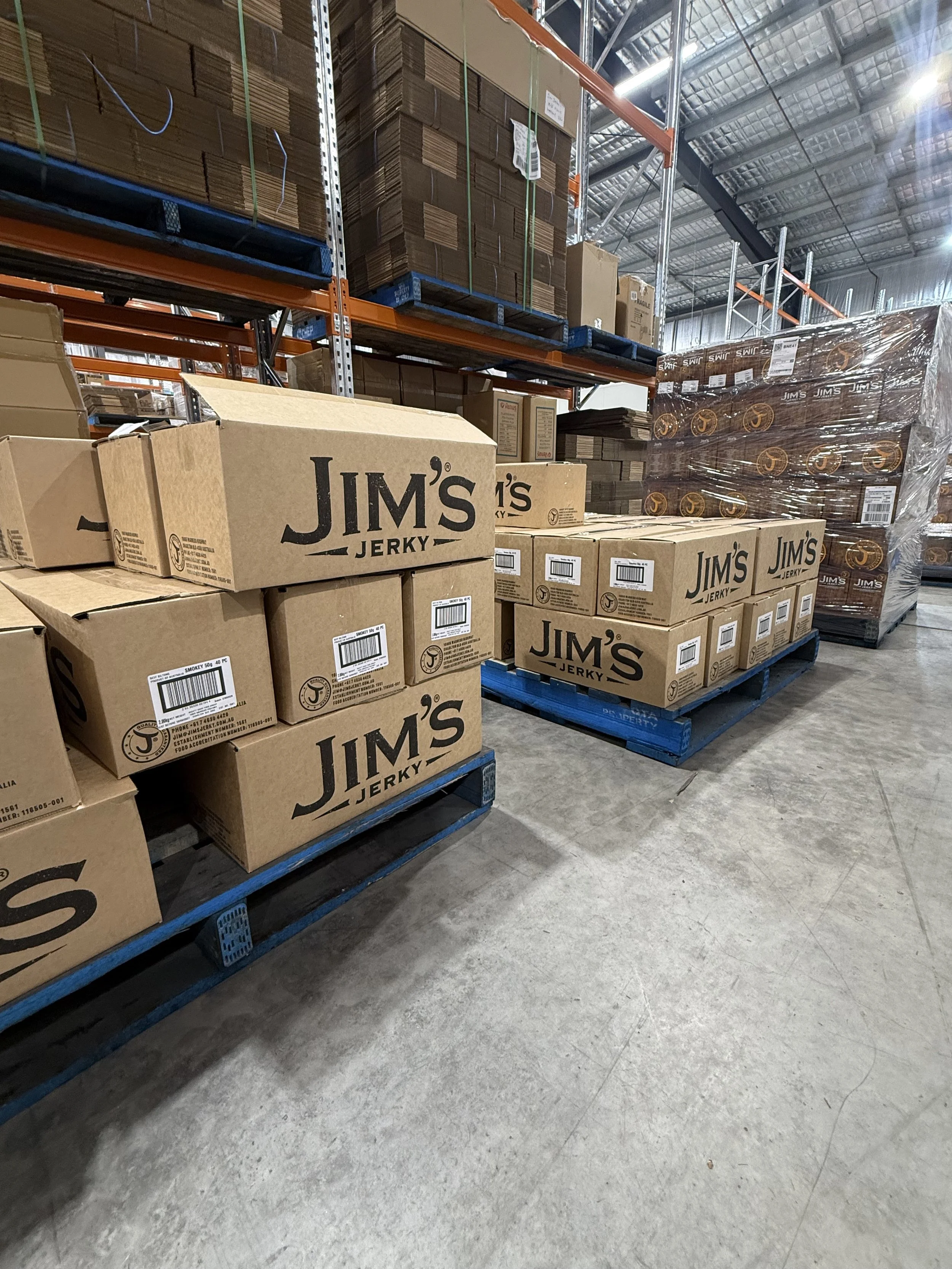
Every tour needs a snack break, and a visit to the Jim’s Jerky store, followed by a tour of their processing facility in Charlton, was the natural next stop.
Jim’s Jerky was created by Jim and Cathie Tanner in 2004. Ex-graziers, they were looking for a way to stay in touch with the industry they had come from, and a robust and growing business was born.
Now more than 20 years into the Jim’s Jerky story, Jim, Cathy and daughter Emily have created a multi-generational business that has recently expanded into larger premises and diversified into a range of pet food products.
But it’s the nutritious, creative flavours of jerky and biltong that have become a staple of the human snack market. The business uses Australian topside to create a lucrative and popular processed beef product.
“Seeing the ability to value-add on to what we’ve already got has been a take-away of the supply chain tour for me,” ABL participant Joe Hennessy reflected.
“At Dinmore and Jim’s Jerky, they’re using low value cuts and turning into a high value product. They’re using 100% of the animal and looking innovatively at the ‘bits that don’t make money’.” Joe said.
Joe is a first-generation beef producer at St George, managing a Droughtmaster and Angus-influenced breeder herd with his family in Queensland’s southern Maranoa region.
“Seeing the scale of everything up-close, you realise how big this industry actually is. I had seen couple-thousand-head feedlot and Kerwee was next level again. Same with Dinmore,” he said.
“What I took away from the whole tour is that consistency is key for everything. It’s an essential part of a good business model.”
UQ Gatton and a PhD with a difference
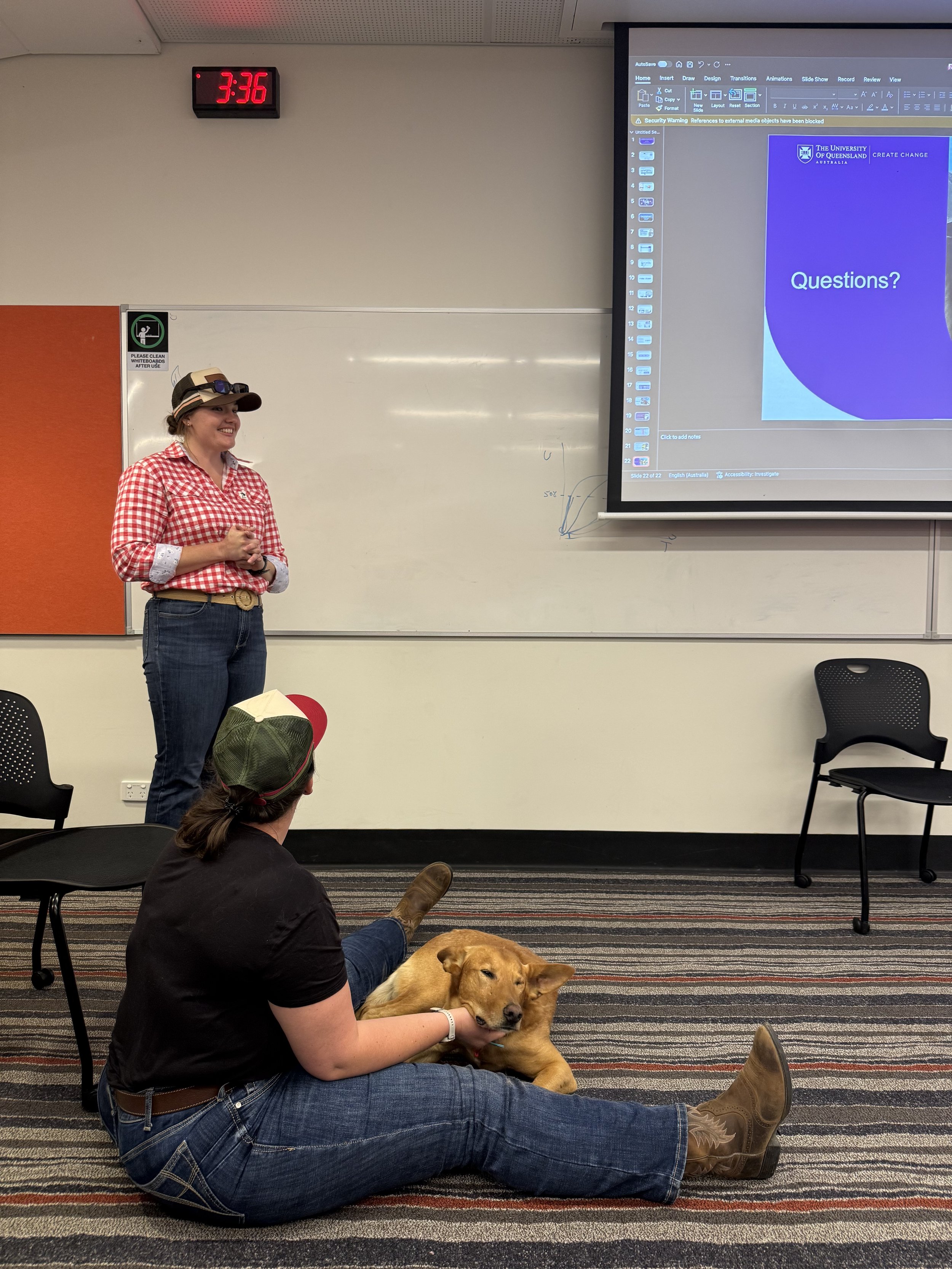
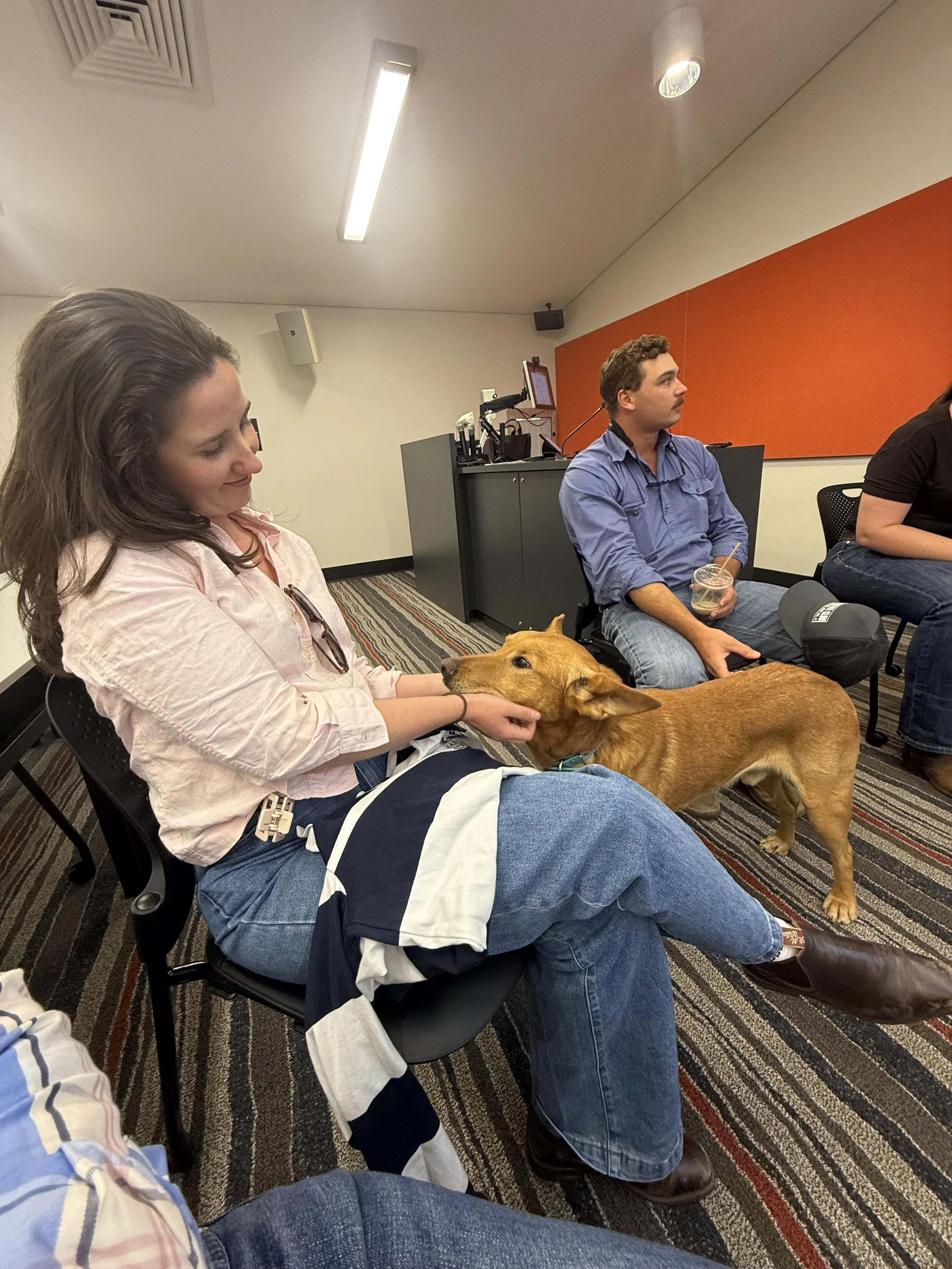
Ella Watkins (with the help of furry mate, Junior), gave a presentation about her research project.
The final stop brought the group to the University of Queensland, Gatton campus, where ABL cohort member Ella Watkins gave the group a glimpse into her life as a PhD candidate. Her furry sidekick, Junior, gave her a hand.
Through her PhD research using detection dogs to pregnancy test cattle, Ella aims to improve welfare and productivity for beef producers, while gaining on-the-ground knowledge of current and forecast opportunities and challenges in the livestock sector.
Motivation and inspiration
Reflecting on the whole tour, Ellen Easy from Alcoota Station, NT, considered the multiple benefits of the supply chain tour.
“I’m in such good spirits. You come home with so much inspiration. I think at the ABL it’s understood that it’s not just about what you do on the tour, it’s about who you’re with: pastoralists and extension officers and agribusiness people – everyone is so varied – just sitting us down with time to talk about our operations is so valuable.” She said.
“The tour is the icing on the cake. Combine that with mentors and network dinners and time with Alison [Larard, ABL EO and co-founder]… the whole cohort is the experience. There is amazing value from just being with like-minded people.”
With thanks
The ABL Foundation would like to thank JBS Australia, Kerwee Feedlot, Jim’s Jerky, UQ Gatton and our friends at Rabobank for their support of the Supply Chain Tour and the 2026/2027 Advancing Beef Leaders Program.
Our Supply Chain Tour hosts share a commitment to sustainable practices, innovation and quality across the supply chain. They share insights on building a successful enterprise through strategic planning, efficient resource management, and ongoing research and technological advancements to meet market trends. They also share their leadership journeys to inspire and educate participants.